
As artificial intelligence continues to transform industries across the world, leadership within technology companies is also evolving. Successful organizations are no longer driven only by technical expertise. Instead, they rely on strong leadership that encourages ownership, trust, and collaboration within teams.
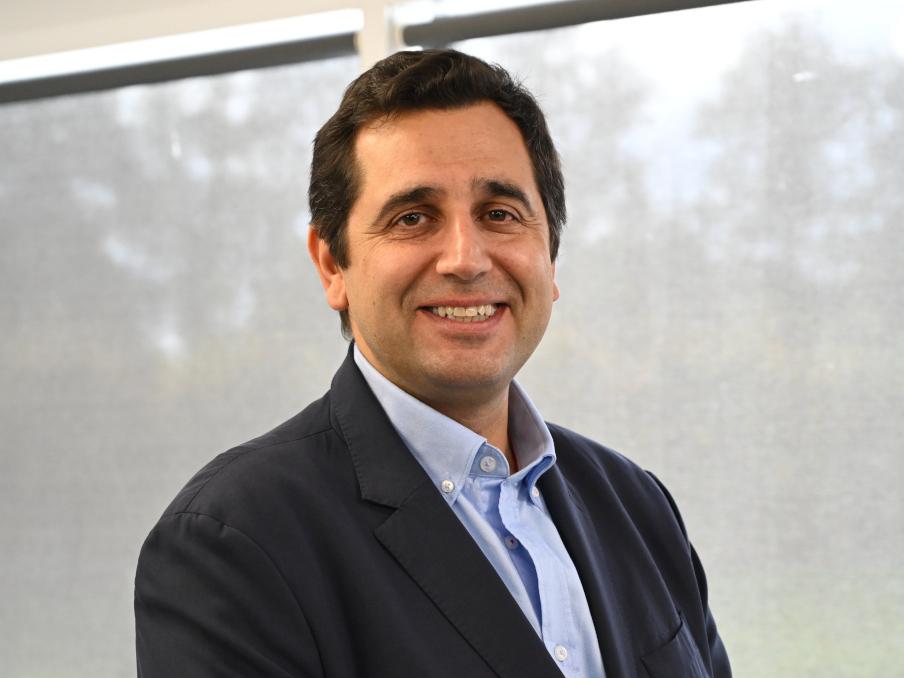
A good example of this leadership philosophy can be seen in the approach taken by Ricardo Batista, a leader at Noesis, an international IT consulting company with a growing presence in Ireland and across Europe.
Batista believes that the role of modern leaders is not simply to control teams but to empower them. By giving employees responsibility and encouraging independent thinking, companies can create stronger and more innovative teams that are better prepared for the challenges of the artificial intelligence era.
The Growing Role of AI in Business
Artificial intelligence is now one of the most influential technologies shaping modern business. From automation and predictive analytics to advanced data insights, AI is changing how organizations operate and compete.
Companies across industries are investing heavily in AI tools to improve efficiency, reduce operational costs, and unlock new opportunities for growth. However, technology alone is not enough. Leaders must ensure that teams understand how to use these tools effectively and responsibly.
At Noesis, leadership focuses on guiding organizations through digital transformation while maintaining a strong focus on people and culture. The company works with clients to implement advanced IT solutions while also helping teams adapt to rapidly changing technology environments.
This balance between innovation and human leadership is essential as AI continues to evolve.
Why Ownership Matters in Leadership
One of the core leadership principles emphasized by Ricardo Batista is the importance of ownership within teams. When employees feel responsible for the success of a project, they are more motivated to deliver high quality work and solve problems creatively.
Instead of micromanaging every decision, effective leaders provide direction while allowing team members the freedom to explore solutions on their own. This approach creates a culture of accountability and encourages individuals to take pride in their contributions.
For technology companies working with complex systems and rapid innovation cycles, this type of leadership can significantly improve productivity and team engagement.
Employees who feel trusted are more likely to bring new ideas forward and collaborate with colleagues to solve difficult challenges.
Building Strong Teams in the Technology Sector
The technology industry moves quickly, and organizations must constantly adapt to new tools, platforms, and market demands. Building strong teams that can navigate these changes is essential for long term success.
At Noesis, leadership focuses on creating an environment where professionals can grow both technically and personally. Encouraging learning, sharing knowledge, and supporting career development helps companies retain talented employees in a highly competitive industry.
Strong teams are also built through open communication. Leaders who communicate clearly about goals, expectations, and challenges help teams stay aligned and focused on delivering results.
When employees understand the bigger picture of a project or strategy, they can contribute more effectively and feel more connected to the company’s mission.
The Importance of Responsible AI Adoption
Another key topic in modern technology leadership is responsible AI adoption. As organizations deploy more artificial intelligence systems, questions around ethics, transparency, and accountability are becoming increasingly important.
Leaders must ensure that AI technologies are implemented in ways that respect privacy, avoid bias, and maintain trust with customers.
Companies like Noesis work closely with clients to integrate AI solutions that provide real value while also following responsible practices. This includes ensuring that AI systems are properly tested, monitored, and aligned with regulatory guidelines.
Responsible innovation is becoming a major priority for organizations that want to build sustainable technology strategies.
Leadership in the Future of Digital Transformation
Digital transformation is no longer optional for businesses. Organizations must continue evolving in order to remain competitive in a rapidly changing global economy.
Technology consulting companies such as Noesis play a critical role in helping businesses navigate this transition. By combining technical expertise with strategic leadership, they help organizations implement modern solutions that improve efficiency and drive growth.
However, successful transformation does not happen through technology alone. It requires leaders who can inspire teams, encourage collaboration, and create environments where innovation can thrive.
According to Batista, leadership today is about enabling people rather than controlling them. When teams are trusted with ownership and given the right support, they are capable of delivering remarkable results.
Key Takeaways for Modern Tech Leaders
The leadership approach practiced at Noesis offers several important lessons for entrepreneurs and technology professionals.
First, empowering employees with responsibility builds stronger and more motivated teams. Ownership encourages individuals to take initiative and think creatively.
Second, clear communication and trust help teams remain aligned during periods of rapid change.
Third, companies must balance technological innovation with ethical and responsible practices, especially when working with artificial intelligence.
Finally, leadership in the AI era is less about authority and more about collaboration, mentorship, and creating opportunities for others to succeed.
Conclusion
As artificial intelligence continues reshaping industries, leadership strategies must evolve alongside technological innovation.
The philosophy embraced by Ricardo Batista and Noesis highlights the importance of empowering teams, encouraging ownership, and guiding organizations through responsible digital transformation.
In a world where technology changes rapidly, the companies that succeed will be those that combine advanced tools with strong, people focused leadership.
For modern tech leaders, the message is clear. Innovation begins with trust, and the best results come from teams that feel empowered to take ownership of their work.



Leave a Reply