
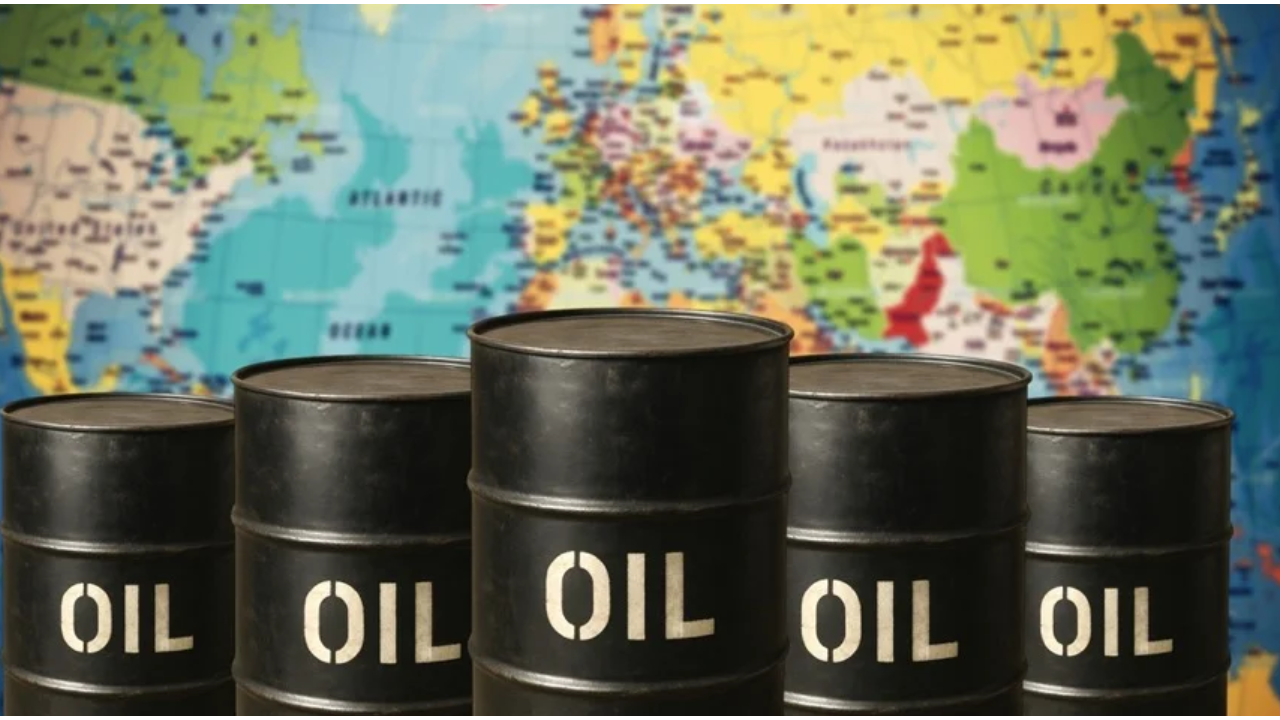
Crude oil is one of the most important natural resources in the modern world. It plays a vital role in powering industries, transportation systems, and economies across the globe. From fueling vehicles and airplanes to producing plastics and chemicals, crude oil is deeply integrated into everyday life and global business operations.
Despite the rise of renewable energy and sustainability initiatives, crude oil continues to remain a key driver of economic activity and geopolitical influence.
What Is Crude Oil?
Crude oil is a naturally occurring liquid fossil fuel found beneath the Earth’s surface. It is formed over millions of years from the remains of ancient plants and marine organisms that were buried under layers of sediment and subjected to intense heat and pressure.
Once extracted from underground reservoirs, crude oil is transported to refineries where it is processed into various petroleum products such as gasoline, diesel, jet fuel, lubricants, and petrochemicals used in manufacturing.
Because of its versatility and energy density, crude oil has become one of the most widely used energy sources in the world.
The Role of Crude Oil in the Global Economy
Crude oil is often considered the backbone of the global energy system. Many industries rely on petroleum products to operate efficiently, making oil prices a significant factor in economic stability.
When crude oil prices rise or fall, it can influence several sectors, including transportation, manufacturing, logistics, and even agriculture. Countries that produce large quantities of oil benefit from export revenues, while countries that rely heavily on imports are more sensitive to price fluctuations.
Oil markets are therefore closely monitored by governments, businesses, and financial institutions around the world.
Crude Oil and Energy Security
Energy security is a major concern for many nations. Access to stable and affordable energy supplies is essential for economic growth and national development. Countries rich in oil reserves often play a crucial role in global energy markets.
However, reliance on crude oil can also create vulnerabilities. Political instability, supply disruptions, and geopolitical conflicts in oil-producing regions can affect global oil supply and prices. As a result, many countries are exploring alternative energy sources and diversifying their energy portfolios.
Environmental Challenges
While crude oil has supported industrial growth for decades, it also raises environmental concerns. The extraction, transportation, and combustion of petroleum products contribute to greenhouse gas emissions and environmental pollution.
Issues such as oil spills, air pollution, and climate change have prompted governments and organizations to invest in cleaner energy solutions. Renewable energy sources such as solar, wind, and hydropower are gradually gaining importance in the global energy mix.
Nevertheless, transitioning away from fossil fuels is a complex process that requires time, technological innovation, and significant investment.
The Future of Crude Oil
Although the world is moving toward cleaner energy systems, crude oil is expected to remain an essential part of the global energy landscape for many years. Developing economies continue to rely heavily on petroleum products to support infrastructure development, transportation, and industrial production.
At the same time, energy companies are investing in technologies that improve efficiency and reduce environmental impact. Innovations such as carbon capture, cleaner refining processes, and advanced fuel technologies are helping the industry adapt to changing energy demands.
The future of crude oil will likely involve a balance between traditional energy resources and emerging renewable technologies.
Conclusion
Crude oil has shaped the modern world by powering industries, enabling global trade, and supporting economic development. Its influence extends far beyond the energy sector, affecting geopolitics, financial markets, and environmental policies.
As the global energy landscape evolves, crude oil will continue to play a significant role while the world gradually transitions toward more sustainable energy solutions. Understanding the importance of crude oil helps businesses, policymakers, and consumers make informed decisions in an increasingly complex energy economy.



Leave a Reply