
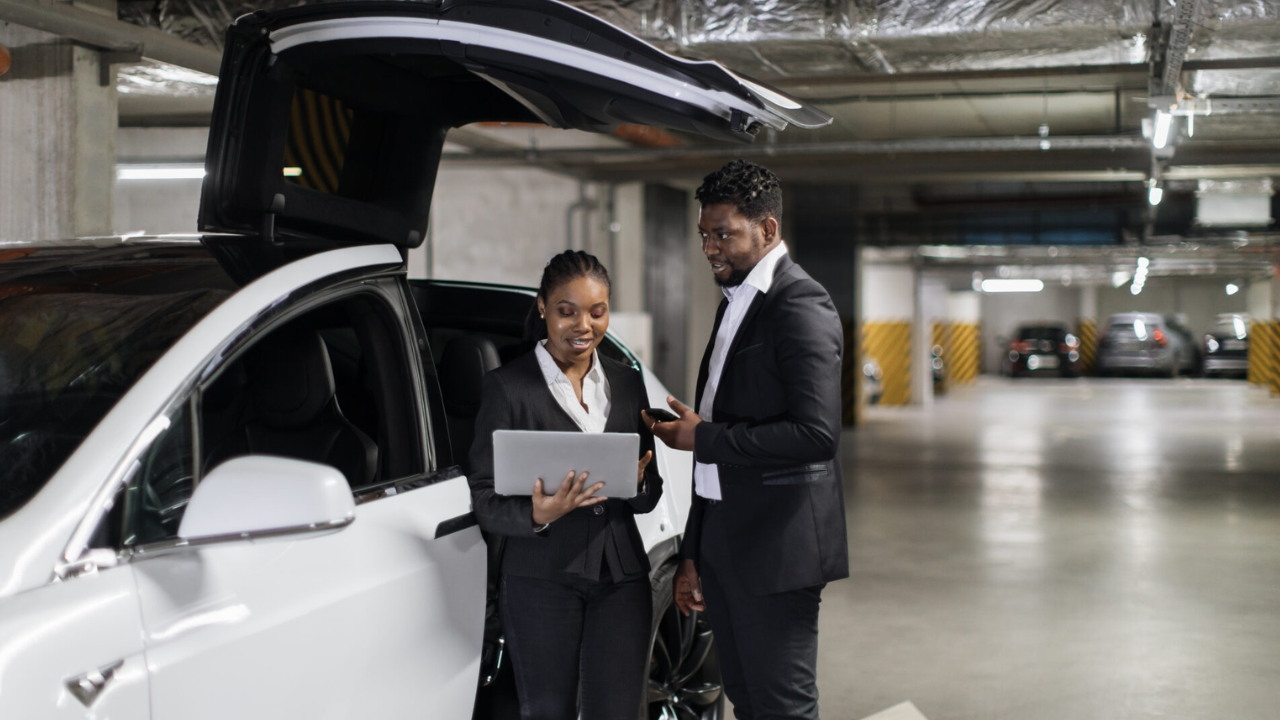
The automotive industry is undergoing a major transformation. As customer behavior evolves and digital platforms become the primary source of information for buyers, automotive brands must adopt smarter marketing campaigns to remain competitive. Traditional advertising methods alone are no longer enough to capture attention or influence purchasing decisions.
Today, successful automotive companies are focusing on data-driven marketing, digital engagement, and personalized customer experiences. Smarter campaigns are helping brands connect with potential buyers at the right time, through the right channels, with the right message.The Shift Toward Digital-First Automotive Marketin
In the past, car buyers relied heavily on dealership visits, television ads, and print media to learn about new vehicles. Today, the buying journey begins online. Consumers research vehicles through search engines, social media, automotive review platforms, and video content before ever stepping into a showroom.
This shift has encouraged automotive companies to prioritize digital marketing strategies. Smart campaigns now combine search engine optimization, targeted advertising, social media engagement, and content marketing to reach customers during every stage of the purchasing journey.
By understanding where potential buyers spend their time online, brands can design campaigns that guide them smoothly from awareness to purchase.
Using Data to Build Smarter Campaigns
One of the biggest advantages of modern marketing is the availability of data. Automotive companies now use customer insights, behavioral data, and analytics to create highly targeted campaigns.
Instead of sending the same message to everyone, brands can personalize marketing based on factors such as location, browsing behavior, and customer preferences. For example, someone researching electric vehicles may receive content highlighting sustainability features, while another buyer interested in family vehicles may see advertisements focused on safety and comfort.
Data-driven campaigns allow automotive companies to deliver more relevant messages and increase the chances of converting interest into actual sales.
The Role of Social Media and Video Content
Social media has become an essential platform for automotive marketing. Platforms such as Instagram, YouTube, and other digital channels enable brands to showcase vehicle design, performance, and real-world driving experiences.
Video content is particularly effective in the automotive industry. Short videos, product demonstrations, virtual test drives, and behind-the-scenes manufacturing stories can capture attention and build excitement around new vehicle launches.
Through social media engagement, automotive companies can also interact directly with their audience, answer questions, and build stronger relationships with potential customers.
Influencer Marketing and Brand Storytelling
Another trend shaping smarter automotive campaigns is influencer collaboration. Automotive enthusiasts, technology reviewers, and lifestyle creators often have dedicated audiences that trust their opinions.
When brands collaborate with credible influencers, they can reach highly engaged communities and present their vehicles in authentic ways. Instead of traditional advertisements, these collaborations focus on storytelling—showing how a vehicle fits into everyday life.
Storytelling helps humanize automotive brands and allows customers to emotionally connect with the product.
Enhancing the Customer Journey
Smarter campaigns are not only about attracting attention but also about improving the entire customer journey. Automotive companies are now integrating digital tools that allow customers to explore vehicles more interactively.
Features such as virtual showrooms, augmented reality vehicle previews, and online configuration tools allow buyers to personalize their experience before visiting a dealership. These innovations reduce friction in the decision-making process and increase customer satisfaction.
By combining digital convenience with physical dealership experiences, automotive brands can offer a seamless buying journey.
The Future of Automotive Marketing
As technology continues to evolve, smarter campaigns will become even more sophisticated. Artificial intelligence, predictive analytics, and automation will enable automotive companies to anticipate customer needs and deliver highly personalized experiences.
In addition, the growth of electric vehicles and connected cars will introduce new opportunities for brands to engage with customers through digital ecosystems.
Companies that invest in innovative marketing strategies today will be better positioned to lead the automotive industry tomorrow.
Conclusion
The automotive industry is entering a new era of marketing where creativity, technology, and data work together to create impactful campaigns. Smarter campaigns help brands reach the right audience, deliver meaningful messages, and build lasting relationships with customers.
For automotive companies looking to thrive in a competitive market, adopting intelligent and digital-first marketing strategies is no longer optional—it is essential for long-term success.



Leave a Reply